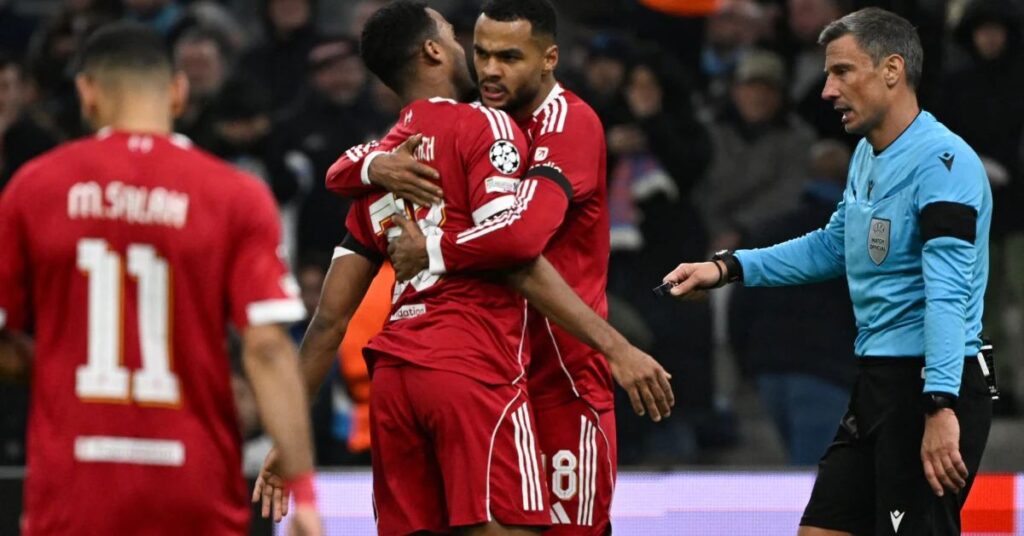

The UEFA Champions League group stage once again delivered a night that underlined why Europe’s elite competition remains the pinnacle of club football. As the final group fixtures concluded, two of the continent’s most decorated clubs, Liverpool and Bayern Munich, confirmed their places in the Champions League Round of 16, doing so in ways that reflected their contrasting styles but shared pedigree.
Liverpool cruised through their final group match with composure, control, and attacking authority, while Bayern Munich secured qualification with trademark efficiency and experience. Together, their progression reinforced a familiar narrative in European football — when the Champions League reaches its decisive stages, the traditional heavyweights inevitably rise.
This blog takes an in-depth look at Liverpool’s dominant performance, Bayern Munich’s calculated qualification, the tactical themes that defined their success, key individual contributions, and what their advancement means for the knockout stages ahead.
The Stakes on a Defining Champions League Night
The final round of Champions League group matches often brings high drama, last-minute twists, and nervous calculations. Qualification scenarios can hinge on goal difference, head-to-head records, or results elsewhere. For clubs like Liverpool and Bayern Munich, however, the objective is clear: avoid complications, finish strong, and enter the knockout phase with confidence.
Both teams approached the decisive fixtures knowing that momentum, belief, and squad rhythm matter just as much as qualification itself. The manner of progression can often shape a club’s entire European campaign.
Liverpool Cruise Through With Authority
Early Control and Tactical Clarity
Liverpool’s approach to their final group match was calm yet assertive. From the opening minutes, they controlled possession, dictated tempo, and pressed with precision rather than chaos. Their structure was evident — defenders stepped into midfield when required, while attackers rotated fluidly across the front line.
This tactical clarity prevented the opposition from settling into any rhythm. Liverpool’s press was selective, forcing mistakes in dangerous areas rather than expending unnecessary energy.
The Importance of an Early Goal
An early breakthrough proved decisive. Once Liverpool took the lead, the complexion of the match changed completely. With the scoreboard in their favour, Liverpool were able to:
- Slow the game when needed
- Accelerate attacks at chosen moments
- Stretch the opposition horizontally
The goal allowed Liverpool to play with confidence, turning the contest into a controlled exhibition rather than a tense European battle.
Midfield Mastery
Liverpool’s midfield played a crucial role in their cruise to qualification. The trio combined intelligence, physicality, and technical quality to dominate central areas.
Key aspects of their midfield performance included:
- Quick ball circulation to break pressing lines
- Intelligent positioning to cut off counter-attacks
- Timely forward runs to overload defensive zones
This midfield balance ensured Liverpool were rarely exposed, even when committing numbers forward.
Defensive Solidity Completes the Picture
Often praised for their attacking flair, Liverpool also showcased defensive discipline. The backline maintained compact spacing, allowing little room between lines and forcing opponents into low-percentage shots.
The defensive performance stood out for:
- Calm decision-making under pressure
- Effective communication across the back four
- Strong aerial presence in set-piece situations
By limiting clear chances, Liverpool ensured their goalkeeper was rarely tested, making the win feel routine rather than risky.
Key Players Step Up for Liverpool
Liverpool’s performance was not defined by one individual but by collective excellence. However, several players delivered standout displays:
- The attacking spearhead consistently stretched the defence, creating space for teammates.
- Wide players provided both width and penetration, offering crossing options and goal threats.
- Defensive leaders marshalled the backline with authority, organising shape and transitions.
This balance between star quality and teamwork is often what separates Champions League contenders from mere participants.
Liverpool’s Group Stage Campaign in Context
Liverpool’s journey through the group stage was marked by consistency and adaptability. They demonstrated:
- Tactical flexibility against different opponents
- Squad depth through rotation without loss of quality
- Mental resilience in tight moments
Finishing the group stage strongly sends a powerful signal — Liverpool are not simply aiming to progress, but to contend for the trophy.
Bayern Munich: Experience Guides Them Through
While Liverpool cruised in commanding fashion, Bayern Munich’s qualification reflected a different yet equally effective approach. The German champions once again showed why they are perennial Champions League forces.
Bayern’s progression was built on:
- Experience in high-pressure scenarios
- Clinical execution when opportunities arose
- Tactical patience rather than frantic urgency
They did not dominate every moment, but they dominated the moments that mattered.
Calculated Control Over Chaos
Bayern’s performance was a lesson in managing European matches. Rather than chasing goals recklessly, they maintained structure and waited for openings.
Their approach involved:
- Controlling possession phases to slow opposition momentum
- Increasing tempo selectively
- Forcing defensive errors through sustained pressure
This calculated control ensured Bayern remained in command of their destiny.
Attacking Precision Remains Bayern’s Strength
When Bayern attacked, they did so with purpose. Their forward play was characterised by:
- Sharp movement between lines
- Rapid one-touch combinations
- Ruthless finishing in the final third
Even with limited chances, Bayern demonstrated efficiency — a hallmark of elite Champions League sides.
Defensive Organisation Often Overlooked
While Bayern are celebrated for their attacking prowess, their defensive organisation deserves equal recognition. The backline stayed compact, protected central spaces, and dealt effectively with wide threats.
Their ability to absorb pressure without panicking allowed Bayern to remain composed, even when the match demanded patience.
Why Liverpool and Bayern Are Built for Knockout Football
Reaching the Round of 16 is only the beginning. The Champions League knockout stage demands qualities beyond raw talent.
Both Liverpool and Bayern possess:
- European pedigree — experience in two-legged ties
- Tactical adaptability — ability to change systems mid-game
- Mental strength — resilience in hostile away environments
- Squad depth — options to rotate without weakening
These attributes make them dangerous opponents regardless of the draw.
Contrasting Styles, Shared Ambition
Liverpool and Bayern represent two distinct footballing philosophies:
- Liverpool thrive on intensity, pressing, and rapid transitions
- Bayern excel through control, precision, and positional dominance
Yet both share the same ambition — lifting the Champions League trophy.
Their contrasting styles promise fascinating tactical battles if they progress deeper into the competition.
The Psychological Edge of Strong Qualification
How teams qualify can shape belief. Cruising through or managing pressure situations builds confidence that can be decisive later.
For Liverpool:
- Dominant performances reinforce belief in their system
- Clean victories reduce mental fatigue
- Squad unity grows stronger
For Bayern:
- Navigating tricky scenarios reinforces composure
- Experience is validated
- Players trust the process
Both outcomes strengthen their mental readiness.
What the Round of 16 Could Bring
With qualification secured, attention now turns to the Round of 16 draw. Potential challenges include:
- Tactical chess matches against defensively disciplined sides
- High-tempo clashes with attacking rivals
- Testing away legs in hostile environments
Liverpool and Bayern will both be teams others hope to avoid in the draw.
Impact on Domestic Campaigns
Progressing in Europe also affects domestic priorities. Squad rotation, injury management, and fixture congestion become critical.
Both clubs now face the challenge of:
- Balancing league ambitions with European goals
- Maintaining squad freshness
- Avoiding burnout during a demanding schedule
Experience will play a key role in managing these pressures.
Fans Dare to Dream Again
Supporters of Liverpool and Bayern Munich have seen European glory before. Qualification to the last 16 reignites those memories and fuels optimism.
Fans are already discussing:
- Possible knockout opponents
- Tactical matchups
- Potential routes to the final
This excitement adds to the aura surrounding both clubs as European heavyweights.
The Broader Champions League Landscape
With teams like Liverpool and Bayern advancing, the knockout stage promises:
- High-quality football
- Tactical diversity
- Intense atmospheres
Their presence raises the overall standard of the competition and ensures compelling narratives as the tournament progresses.
Lessons From the Group Stage
The group stage once again highlighted key truths about Champions League success:
- Efficiency matters as much as dominance
- Experience often outweighs raw talent
- Small margins define big moments
Liverpool and Bayern exemplified these lessons in different ways.
Why Neutral Fans Should Be Excited
For neutral supporters, the progression of Liverpool and Bayern means:
- Guaranteed quality in later rounds
- Potential classic encounters
- Tactical battles between elite managers
Their journeys add depth and intrigue to the Champions League storyline.
Conclusion: Heavyweights March On With Purpose
As the Champions League moves into its most thrilling phase, Liverpool cruising through and Bayern Munich securing qualification to the last 16 stands as a reminder of why these clubs remain European royalty.
Liverpool’s controlled dominance and Bayern’s ruthless efficiency showcase two paths to success — both equally effective. With confidence high and experience abundant, both clubs will believe they are capable of going all the way.
The group stage may be over, but for Liverpool and Bayern Munich, the real challenge — and the real excitement — has only just begun.